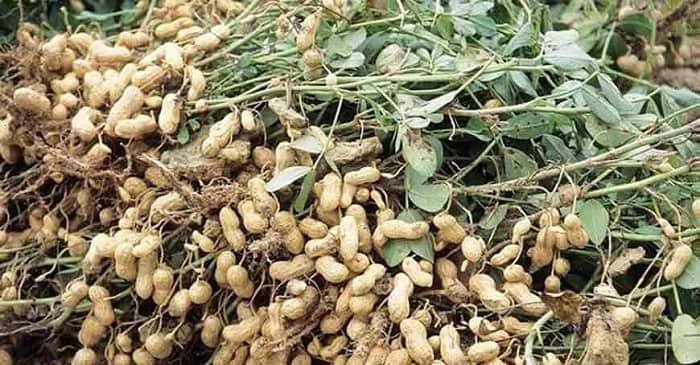
Groundnut is one of India’s most important oilseed crops. It is eaten as roasted peanuts, used in chutneys, sweets, snacks, peanut butter, cattle feed and most importantly, groundnut oil. For many dryland farmers, groundnut is not just a crop; it is a dependable source of cash income when rainfall, soil and market prices support them.
The crop is also important because India still imports a large share of its edible oil requirement. That makes domestic oilseed crops like groundnut, mustard, soybean, sesame and sunflower very valuable for food and farm security. The central government launched the National Mission on Edible Oils–Oilseeds in 2024 to increase oilseed cultivation and reduce import dependence, as domestic production meets only around 40–45% of India’s edible oil demand.
For this 2026 list, the ranking is based on the latest available production pattern, major groundnut belts, procurement activity, oilseed importance and state-level farming strength.
Now let’s check out the top 5 groundnut producing states in India in 2026.
1. Gujarat
Gujarat is the largest groundnut producing state in India in 2026.
The state has the strongest identity in India’s groundnut economy. Groundnut is one of Gujarat’s major cash crops and is deeply connected with Saurashtra, Kutch and parts of north Gujarat. The crop is grown widely in districts such as Junagadh, Rajkot, Jamnagar, Amreli, Gir Somnath, Porbandar, Bhavnagar, Kutch and Banaskantha.
Gujarat’s strength comes from its dryland farming system. Groundnut grows well in the state’s light to medium soils, especially where the monsoon is timely. Saurashtra is the real heart of Gujarat’s groundnut belt. In many villages, farmers grow groundnut along with cotton, sesame, castor and other kharif crops.
The state also has strong oil mills, processing units and trading centres. Groundnut from Gujarat is used for edible oil, roasted peanuts, snacks, cattle feed and export-linked products. Junagadh is also important because it is home to ICAR’s Directorate of Groundnut Research, a national-level research centre dedicated to improving groundnut productivity and crop management.
Recent state-level updates also show how important the crop is for Gujarat’s farm economy. In 2025, the Gujarat government announced MSP procurement of groundnut, moong, urad and soybean worth around ₹15,000 crore to support farmers after unseasonal rainfall damaged crops.
Gujarat deserves the first position because it combines huge area, strong farmer experience, research support, oil-milling capacity and a deep market connection with groundnut.
2. Rajasthan
Rajasthan ranks second among India’s top groundnut producing states.
The state has grown strongly as a groundnut producer in recent years. Groundnut is mainly cultivated in western and northern Rajasthan, especially in districts such as Bikaner, Churu, Jodhpur, Nagaur, Sriganganagar, Hanumangarh, Phalodi and Barmer. These regions have dry conditions where groundnut can perform well with suitable rainfall or irrigation support.
Rajasthan’s rise is linked with its large dryland area and growing oilseed focus. The state is already one of India’s strongest oilseed states because of mustard, sesame and other crops. Groundnut has added another important layer to this oilseed economy.
The importance of groundnut in Rajasthan was clearly visible in the 2025 MSP procurement season. Procurement activity was reported in districts such as Bikaner, Sriganganagar, Churu, Phalodi and Hanumangarh, showing that groundnut has become a major crop in these belts. Farmers were selling in local mandis when official procurement faced delays, which also shows how price-sensitive the crop is.
Rajasthan deserves second position because it has a large groundnut-growing belt, strong oilseed tradition and expanding production in dry and semi-dry districts. Better procurement, storage and processing can make the state even more important in the coming years.
3. Tamil Nadu
Tamil Nadu stands third among the highest groundnut producing states in India in 2026.
The state has a long connection with groundnut farming and groundnut oil. The crop is grown in both rainfed and irrigated conditions, especially in districts such as Tiruvannamalai, Villupuram, Cuddalore, Vellore, Salem, Erode, Dindigul, Virudhunagar, Thoothukudi, Krishnagiri and parts of western Tamil Nadu.
Tamil Nadu’s groundnut economy is different from Gujarat and Rajasthan. It is more closely connected with small farmers, local oil mills, cold-pressed oil units and household consumption. Groundnut oil has strong demand in many parts of the state, and the crop supports both farmers and local processing businesses.
The state government has also recognised Tamil Nadu’s strong position in this crop. In 2025, an official release said Tamil Nadu stood third in India in groundnut production, while the state also ranked second in oilseeds overall.
Tamil Nadu deserves third position because it has strong cultivation, steady local demand, oil-processing traditions and good farmer familiarity with the crop. Groundnut remains one of the most important oilseed crops in the state’s dryland farming system.
4 . Andhra Pradesh
Andhra Pradesh ranks fourth among India’s major groundnut producing states.
The state’s groundnut identity is mainly linked with Rayalaseema, especially Anantapur district. Anantapur has long been one of India’s best-known groundnut belts. Other important areas include Kurnool, Nandyal, Sri Sathya Sai, Kadapa, Chittoor and parts of Prakasam and Nellore.
Groundnut is very important in Andhra Pradesh because many growing regions are rainfed. In dry districts, farmers often depend on groundnut as a kharif crop. The crop fits well with the local climate, but it is also highly vulnerable to rainfall failure, drought, delayed monsoon and price changes.
Anantapur groundnut has enough local identity that the Andhra Pradesh government has sought recognition for it under the One District One Product framework. This shows the crop’s importance for local farmers and rural industry.
However, Andhra Pradesh’s groundnut area can change sharply depending on monsoon conditions. In the 2025 kharif cycle, groundnut sowing lagged behind normal coverage, showing how sensitive the crop is to rainfall and farmer decisions.
Andhra Pradesh deserves fourth position because of its old groundnut belt, Rayalaseema’s farmer base and the crop’s role in dryland agriculture.
5. Karnataka
Karnataka completes the list of the top five groundnut producing states in India in 2026.
The state has a long history of oilseed farming. Groundnut is grown in districts such as Chitradurga, Tumakuru, Ballari, Koppal, Raichur, Dharwad, Gadag, Haveri, Vijayapura, Bagalkot and parts of central and northern Karnataka. The crop is mainly found in dryland and semi-arid farming belts.
Karnataka’s groundnut production has faced pressure over time because many farmers shifted to crops like maize, pulses and soybean. A 2026 report noted that groundnut acreage in the state had dropped to about 40% of earlier levels, showing a major change in cropping patterns.
Even with this decline, Karnataka remains important because of its old oilseed base, farmer experience and suitable dryland regions. The state is also trying to improve oilseed productivity under the national oilseed mission through better seed varieties, farmer training and processing support.
Karnataka deserves fifth position because it still has a meaningful groundnut-growing base and strong potential for revival. If improved seeds, stable prices and better disease management reach farmers, the state can strengthen its groundnut economy again.
Final Words
The top five groundnut producing states in India in 2026 are Gujarat, Rajasthan, Tamil Nadu, Andhra Pradesh and Karnataka. Gujarat is the clear leader, while Rajasthan and Tamil Nadu form the next strong group.
Groundnut will remain important for India’s edible oil security, farmer income and dryland agriculture. Better seeds, fair MSP procurement, oil mills, storage and climate-resilient farming can make this crop more profitable in the coming years.