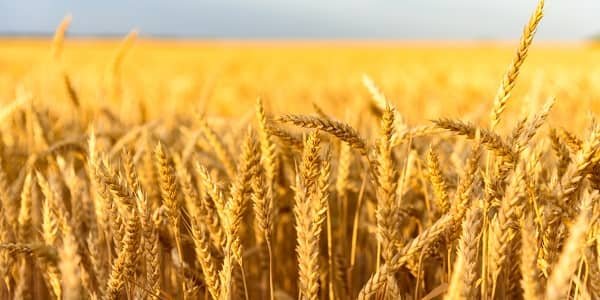
Wheat is one of India’s most important food grains. It becomes atta for rotis, flour for bakery products, raw material for food processing, and grain stock for the public distribution system. The crop is mainly grown in the rabi season, sown around October-November and harvested in March-April.
For this 2026 list, the ranking is based on India’s latest wheat-growing pattern, major producing belts, procurement strength, irrigation support and recent crop-season updates. India’s wheat output for 2026 was first projected at a record 120.21 million tonnes, but industry estimates later placed it lower because unseasonal rain and hail affected crop quality and yield in several regions. More than 80% of India’s wheat comes from Madhya Pradesh and the northern states of Uttar Pradesh, Punjab, Haryana and Rajasthan.
Now let’s check out the top 5 highest wheat producing states in India in 2026.
1. Uttar Pradesh
Uttar Pradesh is the largest wheat producing state in India in 2026. The state has a huge agricultural base, fertile Indo-Gangetic plains, canal irrigation, tube wells and one of the largest farming populations in the country. Wheat is grown widely across western, central and eastern Uttar Pradesh, making it the backbone of the state’s rabi crop economy.
Major wheat-producing regions include Meerut, Muzaffarnagar, Saharanpur, Bijnor, Bareilly, Shahjahanpur, Sitapur, Lakhimpur Kheri, Hardoi, Agra, Aligarh, Etawah, Kanpur, Prayagraj, Varanasi and Gorakhpur belts. Western UP is especially strong because of better irrigation, fertile soil and a long wheat-sugarcane farming tradition.
Uttar Pradesh’s procurement network also shows the scale of wheat farming. For the 2026–27 marketing season, the state fixed wheat MSP at ₹2,585 per quintal and planned around 6,500 purchase centres across all 75 districts, showing how large and organised its wheat procurement system is.
The state deserves the first position because it combines massive acreage, strong irrigation, large farmer participation, high foodgrain output and a statewide procurement system. Wheat is not just one crop in Uttar Pradesh; it is one of the main pillars of the rural economy.
2. Madhya Pradesh
Madhya Pradesh ranks second among India’s highest wheat producing states in 2026. The state has become one of India’s strongest wheat producers in the last two decades. Earlier, Punjab and Haryana were seen as the main wheat centres, but Madhya Pradesh has risen sharply because of irrigation expansion, better seed varieties, procurement support and strong farmer participation.
Major wheat-producing districts include Sehore, Vidisha, Raisen, Hoshangabad/Narmadapuram, Harda, Dewas, Ujjain, Indore, Shajapur, Mandsaur, Neemuch, Ratlam, Sagar and Jabalpur. The Malwa and Narmada valley belts are especially important because they produce good-quality wheat.
Madhya Pradesh is also known for Sharbati wheat, which is valued for its softness, golden colour and good taste. This gives the state not only production strength but also a quality identity in the wheat market.
The state has become very important in national procurement too. In the 2025 procurement season, early wheat purchases by the Food Corporation of India mainly came from Madhya Pradesh, helped by a state bonus over the central MSP.
Madhya Pradesh deserves second position because it has large wheat area, good-quality grain, strong procurement support and fast-growing irrigation coverage. It is now one of the real powerhouses of India’s wheat economy.
3. Punjab
Punjab stands third among the highest wheat producing states in India. Punjab is called India’s breadbasket for a reason. Even though the state is small in area, it contributes a very large share to India’s wheat supply. Wheat is the biggest cultivated crop in Punjab, and the state is known for high productivity, mechanised farming, assured irrigation and strong mandi procurement. Punjab contributes roughly 15–20% of India’s wheat production, despite covering only a small part of India’s land area.
Major wheat-producing districts include Ludhiana, Sangrur, Patiala, Bathinda, Moga, Firozpur, Fazilka, Muktsar, Barnala, Amritsar and Tarn Taran. The rice-wheat cropping system is very common here, where paddy is grown in kharif and wheat follows in the rabi season.
Punjab’s strength is yield and procurement. Farmers use high-yielding varieties, tractors, combine harvesters, irrigation and fertilisers on a large scale. The state’s mandis are deeply connected with the MSP system and central foodgrain stocks.
Punjab deserves third position because its production per hectare is very high and its role in India’s food security is much bigger than its size. The main challenge is sustainability, especially groundwater pressure and the need to diversify farming in some regions.
4. Haryana
Haryana ranks fourth among India’s major wheat producing states in 2026. Like Punjab, Haryana is a small state with a very strong wheat economy. Wheat is grown widely in almost all agricultural districts, supported by irrigation, mechanisation, procurement systems and experienced farmers. The Green Revolution made Haryana one of India’s most productive foodgrain states.
Important wheat-growing districts include Karnal, Kurukshetra, Kaithal, Ambala, Yamunanagar, Hisar, Sirsa, Fatehabad, Jind, Rohtak, Sonipat and Panipat. The state’s farming system is strongly linked with the wheat-paddy cycle in many districts, while some areas also grow mustard, cotton and other rabi crops.
Haryana is one of the biggest contributors to India’s central pool of food grains. Recent reporting on the 2026 procurement season mentioned a wheat procurement target of 7.2 million metric tonnes in Haryana, showing the state’s continuing importance in national grain supply.
Haryana deserves fourth position because it has high productivity, strong irrigation, good mandis and an important role in government wheat stocks. The state may be smaller than Uttar Pradesh or Madhya Pradesh, but its wheat output and procurement contribution are extremely important.
5. Rajasthan
Rajasthan completes the list of the top five highest wheat producing states in India in 2026. The state is often known for bajra, mustard and pulses, but wheat is also grown over large areas, especially where irrigation is available. The Indira Gandhi Canal, Chambal command area, wells, tube wells and other irrigation sources have helped expand wheat cultivation in many parts of the state.
Major wheat-producing regions include Kota, Bundi, Baran, Jhalawar, Bharatpur, Alwar, Jaipur, Sri Ganganagar, Hanumangarh, Chittorgarh and parts of Ajmer and Nagaur. The Hadoti region and canal-irrigated north-western Rajasthan are especially important for wheat.
Rajasthan’s wheat farming is different from Punjab and Haryana. It depends more on regional irrigation pockets and seasonal conditions. In dry areas, farmers may prefer mustard, gram or bajra, but where water is available, wheat becomes a major rabi crop.
Rajasthan deserves fifth position because it has large land area, important irrigated belts and a strong place among India’s main wheat-growing states. Along with Uttar Pradesh, Madhya Pradesh, Punjab and Haryana, Rajasthan is part of the group that produces more than 80% of India’s wheat.
Final Words
The top five highest wheat producing states in India in 2026 are Uttar Pradesh, Madhya Pradesh, Punjab, Haryana and Rajasthan. These states form the real backbone of India’s wheat economy and foodgrain security.
Wheat production will remain strong if farmers get stable weather, fair MSP, better seed varieties, irrigation support and protection from heatwaves, rain and hail damage during harvest.