Onion is one of the most sensitive crops in India’s food economy. It is used almost every day in Indian kitchens, but its price can change very fast. A little shortage can make consumers worried, and a bumper harvest can push farmers into losses. That is why onion is not just a vegetable; it is a crop connected with farmers, traders, storage houses, exports, politics and household budgets.
India grows onion in three main seasons — kharif, late kharif and rabi. Among these, rabi onion is the most important because it has better storage life and keeps markets supplied for many months. For this 2026 list, the ranking is based on the latest available production pattern, major onion belts, mandi arrivals, storage strength and recent crop-market updates. India’s 2025–26 horticulture estimate shows vegetable output rising, with onion named among the crops driving that increase.
Now let’s check out the top 5 onion producing states in India in 2026.
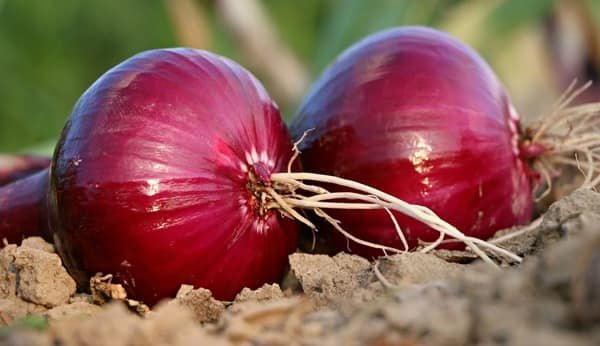
1. Maharashtra
Maharashtra is the largest onion producing state in India in 2026.
The state is the real centre of India’s onion economy. Maharashtra alone contributes around 35–40% of India’s total onion output, making it far ahead of other states. Its annual onion production is generally around 12–13 million tonnes, depending on the season, rainfall and price situation.
Nashik is the heart of Maharashtra’s onion belt. Lasalgaon, Niphad, Yeola, Pimpalgaon, Chandwad, Malegaon and nearby regions are deeply connected with onion cultivation and trading. Lasalgaon is especially famous because its onion market is one of the biggest onion trading centres in Asia. Prices discovered here often influence onion rates across India.
Maharashtra’s biggest strength is rabi onion. This onion is harvested around March-April and can be stored for several months if properly dried and kept in traditional onion chawls. In 2024–25, Nashik district saw a bumper summer onion crop, with production rising to nearly 59 lakh tonnes from 36 lakh tonnes in the previous season.
The state deserves the first position because it has huge production, strong mandis, storage systems, export links and farmer experience. But Maharashtra’s onion farmers also face heavy price risk. When production is high and demand is weak, prices can fall below cost, creating distress for growers.
2. Madhya Pradesh
Madhya Pradesh ranks second among India’s top onion producing states.
The state has grown quickly as an onion producer because of its large farming base, suitable climate and expanding market links. Onion is grown widely in western and central Madhya Pradesh, especially in districts such as Mandsaur, Neemuch, Ratlam, Ujjain, Shajapur, Dewas, Indore, Dhar and Khandwa.
Madhya Pradesh is important because it supplies onion to many northern and central Indian markets. Its kharif and rabi crops help balance the national supply chain when Maharashtra’s arrivals are high or low. Farmers in the Malwa and Nimar belts have also increased onion cultivation because the crop can give good returns in a favourable market.
The state’s onion is especially visible in wholesale markets during seasonal supply pressure. In 2025, Lasalgaon traders noted that kharif onion arrivals from Madhya Pradesh, Rajasthan and Karnataka were putting pressure on prices in major markets.
Madhya Pradesh deserves second position because of its wide cultivation area, strong farmer participation and growing role in India’s onion supply. Its main challenge is price instability, because sudden oversupply can quickly reduce mandi rates.
3. Karnataka
Karnataka stands third among the highest onion producing states in India.
The state is one of the most important onion producers in southern India. Onion cultivation is strong in North Karnataka, especially in districts such as Belagavi, Vijayapura, Bagalkot, Dharwad, Gadag, Haveri, Chitradurga, Ballari and Davanagere. The dry climate of these regions supports onion farming, especially where farmers have access to irrigation.
Karnataka grows both local and commercial onion varieties. The crop is sold in local markets and also moves to Maharashtra, Goa, Tamil Nadu, Kerala and other southern markets. Belagavi, Hubballi, Gadag and Vijayapura are important trading points.
The state’s onion market is also closely connected with Maharashtra. In 2026, onion prices in North Karnataka crashed because of heavy supply, weak demand and arrivals from Maharashtra, showing how closely the two markets are linked.
Karnataka deserves third position because it has strong onion belts, active mandis and an important role in southern India’s onion supply. However, farmers face problems when heavy rains damage quality or when supply from other states floods the market.
4. Gujarat
Gujarat ranks fourth among India’s major onion producing states in 2026.
The state has a strong onion belt in Saurashtra and parts of central Gujarat. Bhavnagar, Amreli, Junagadh, Rajkot, Botad, Jamnagar and nearby regions are important for onion cultivation. Mahuva in Bhavnagar district is especially famous for onion trading and processing.
Gujarat’s special strength is processing. The Mahuva belt is known for onion dehydration, onion flakes, onion powder and export-oriented onion products. This gives Gujarat a different identity from states that depend mostly on fresh onion markets. Processing helps absorb part of the crop when fresh prices are weak.
Gujarat also benefits from ports, trading networks and agro-processing industries. Onions from the state can move into domestic wholesale markets as well as export and dehydration channels. This makes Gujarat important not only as a producer but also as a value-added onion state.
The state deserves fourth position because it combines cultivation, processing, trade and export links. Better storage and dehydration capacity can make Gujarat’s onion sector even stronger.
5. Rajasthan
Rajasthan completes the list of the top five onion producing states in India in 2026.
The state has important onion-growing belts in Alwar, Sikar, Nagaur, Jaipur, Jodhpur, Kota, Bundi, Chittorgarh and parts of the Hadoti and Shekhawati regions. Onion is grown as a commercial crop in both irrigated and semi-dry areas.
Rajasthan’s onion production is important because it supplies markets in Delhi, Haryana, Punjab, Uttar Pradesh and other northern regions. The state’s location gives it a natural transport advantage for North Indian consumption centres.
Rajasthan is also part of the seasonal onion supply chain that affects prices in Maharashtra and other major markets. In 2025, kharif onion from Rajasthan, Madhya Pradesh and Karnataka was reported as one reason behind lower prices in Lasalgaon APMC.
Rajasthan deserves fifth position because it has suitable dryland farming conditions, important onion-growing pockets and strong access to northern wholesale markets. Its production is smaller than Maharashtra or Madhya Pradesh, but it remains a key state in India’s onion supply map.
Final Words
The top five onion producing states in India in 2026 are Maharashtra, Madhya Pradesh, Karnataka, Gujarat and Rajasthan. Maharashtra remains the clear leader, while Madhya Pradesh and Karnataka form the next strong production group.
Onion farming will remain important for India’s food economy, but farmers need better storage, stable export policy, processing support and fair prices to reduce the cycle of bumper crops and sudden price crashes.