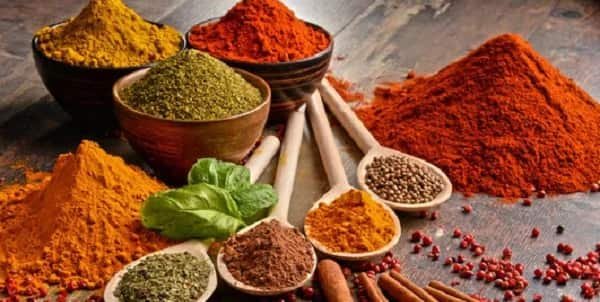
Spices are the soul of Indian farming and Indian food. A small pinch of chilli, turmeric, cumin, coriander, pepper, cardamom or garlic can change the taste, colour and aroma of a dish. But behind that small pinch stands a large farm economy of growers, traders, drying yards, mandis, processors, exporters and spice brands.
India is not only a big spice-growing country; it is the world’s largest producer, consumer and exporter of spices. In 2025–26, India’s total spice production estimate crossed 12.8 million tonnes, showing how large this sector has become.
For this 2026 list, the ranking is based on the latest major spice state-wise production estimates, especially high-volume spices like garlic, chilli, ginger, turmeric, cumin, coriander, fennel and fenugreek.
Now let’s check out the top 5 largest spice producing states in India in 2026.
1. Madhya Pradesh
Madhya Pradesh is the largest spice producing state in India in 2026.
The state’s biggest strength is that it does not depend on only one spice. It has a wide spice basket led by garlic, ginger, coriander, chilli, turmeric and fenugreek. Garlic is the real production giant here. In the 2025–26 estimate, Madhya Pradesh’s garlic production is placed at about 22.03 lakh tonnes, which alone gives the state a huge lead in India’s spice economy.
Madhya Pradesh is also very strong in ginger and coriander. The state’s ginger production is estimated at about 6.24 lakh tonnes, while coriander seed production is around 4.88 lakh tonnes in 2025–26. This combination makes MP one of the most balanced spice-producing states in India.
Major spice-growing regions include Neemuch, Mandsaur, Ratlam, Ujjain, Indore, Dewas, Chhindwara, Betul, Sehore and parts of Malwa and Nimar. Neemuch and Mandsaur are especially important for garlic, coriander and other seed spices.
Madhya Pradesh deserves the first position because it combines huge garlic output, strong ginger production, coriander seed strength and a growing spice-trading network. Its central location also helps spices move easily towards north, west and south Indian markets.
2. Rajasthan
Rajasthan ranks second among India’s largest spice producing states in 2026.
The state is the king of seed spices. Rajasthan is especially famous for cumin, coriander, fennel and fenugreek. These spices grow well in the state’s dry climate, especially in the western and south-eastern belts. The desert and semi-arid farming system gives Rajasthan a natural advantage in many low-moisture spice crops.
Rajasthan’s cumin production is estimated at around 6.93 lakh tonnes in 2025–26, while garlic production is estimated at about 5.80 lakh tonnes. The state also remains strong in fenugreek, fennel and coriander seed.
Major spice-producing districts include Jodhpur, Barmer, Jalore, Nagaur, Ajmer, Kota, Bundi, Baran, Jhalawar and Chittorgarh. Ramganj Mandi in Kota district is especially famous for coriander trade and is one of the best-known spice markets in India.
Rajasthan deserves second position because it has strong area, dry-climate suitability and powerful mandi networks. It may not lead in all spices, but in seed spices, Rajasthan is one of India’s most important states.
3. Andhra Pradesh
Andhra Pradesh stands third among the largest spice producing states in India.
The state’s spice identity is mainly built around chilli. Andhra Pradesh is one of India’s biggest chilli-producing states, and Guntur is one of the most famous chilli trading centres in the country. In the 2025–26 estimate, Andhra Pradesh’s chilli production is placed at about 11.67 lakh tonnes, making it the state’s biggest spice strength.
Guntur, Palnadu, Prakasam, Kurnool, Nandyal, Anantapur, Krishna and parts of Rayalaseema are important spice-growing belts. The state is especially known for red chilli varieties used in powders, pickles, masala blends and exports.
Apart from chilli, Andhra Pradesh also produces turmeric, ginger, coriander seed and tamarind. Its turmeric production is estimated at about 40,660 tonnes, while ginger production is around 28,471 tonnes in the 2025–26 estimate.
Andhra Pradesh deserves third position because chilli alone gives it a very strong place in India’s spice map. The state also has strong trading, processing and export connections, especially through Guntur and nearby spice markets.
4. Gujarat
Gujarat ranks fourth among India’s top spice producing states in 2026.
The state is a major producer of cumin, coriander, fennel, garlic, ginger and chilli. Gujarat’s spice economy is strongly linked with north Gujarat and Saurashtra, where dry climate and commercial farming support seed spices. The state also has excellent trading and export links through ports, processing units and agri-markets.
Gujarat’s cumin production is estimated at around 4.46 lakh tonnes in 2025–26. It also produces about 1.70 lakh tonnes of coriander seed, 1.31 lakh tonnes of fennel seed, 1.16 lakh tonnes of garlic and 1.12 lakh tonnes of ginger.
Major spice-producing districts include Banaskantha, Patan, Mehsana, Rajkot, Jamnagar, Junagadh, Amreli, Anand and parts of Kutch and Saurashtra. Unjha in Mehsana district is one of India’s most important seed-spice trading centres, especially for cumin, fennel and other dry spices.
Gujarat deserves fourth position because it has both production and market power. Its spices do not only move into domestic kitchens; they also enter processing, packaging and export channels.
5. Karnataka
Karnataka completes the list of the top five largest spice producing states in India in 2026.
The state has one of the most diverse spice baskets in the country. It is strong in ginger, chilli, turmeric, black pepper, cardamom and tamarind. Karnataka’s spice economy is spread across both dryland areas and Western Ghats plantation belts.
In the 2025–26 estimate, Karnataka’s ginger production is about 3.36 lakh tonnes, chilli production is about 2.21 lakh tonnes, turmeric production is about 1.06 lakh tonnes, and black pepper production is around 63,387 tonnes.
Major spice-growing areas include Kodagu, Chikkamagaluru, Hassan, Shivamogga, Haveri, Dharwad, Bagalkot, Ballari, Raichur and Belagavi. Kodagu is especially famous for pepper grown along with coffee, while North Karnataka is important for chilli.
Karnataka deserves fifth position because it combines plantation spices and field spices. It may not match Madhya Pradesh in garlic or Andhra Pradesh in chilli, but its overall spice diversity makes it one of India’s most important spice states.
Final Words
The top five largest spice producing states in India in 2026 are Madhya Pradesh, Rajasthan, Andhra Pradesh, Gujarat and Karnataka. Madhya Pradesh leads through garlic, ginger and coriander, while Rajasthan dominates seed spices.
Andhra Pradesh remains powerful in chilli, Gujarat is strong in cumin and fennel, and Karnataka adds major value through ginger, pepper, chilli and turmeric. Together, these states form the real backbone of India’s spice economy.