Natural gas is one of the cleanest fossil fuels used in India’s energy system. It runs power plants, fertilizer units, city gas networks, CNG vehicles, refineries, petrochemical plants and many industries that need steady fuel. Unlike coal, it burns cleaner, and unlike crude oil, it can directly support both households and factories through pipeline networks.
India’s natural gas story is also important because domestic production is still not enough for demand. The country imports a large part of its gas requirement through LNG, so every domestic gas-producing region has strategic value for energy security. Recent energy reports also show that India depends on imports for more than half of its natural gas needs, making local production even more important.
For this 2026 list, the ranking is based on major state-linked natural gas production belts, producing basins, present activity, pipeline connectivity and recent petroleum-sector updates. One important point: large offshore fields like Mumbai High are not counted as a “state” in this list, because they are offshore assets. The list focuses on Indian states that have strong onshore or state-linked natural gas production identity.
Now let’s check out the top 5 natural gas producing states in India in 2026.
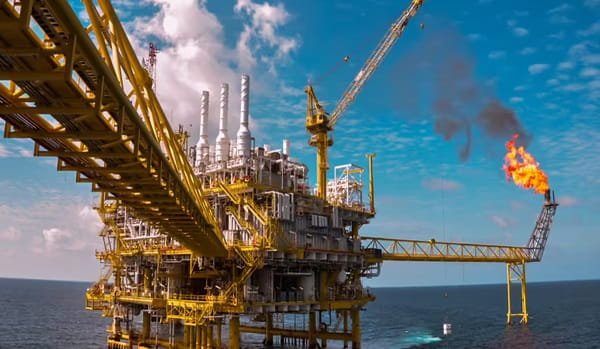
1. Assam
Assam is one of the strongest natural gas producing states in India in 2026.
The state has a very old and powerful connection with India’s oil and gas industry. Upper Assam is one of the most important hydrocarbon regions in the country, with producing belts around Dibrugarh, Tinsukia, Sivasagar, Charaideo and nearby areas. Oil India Limited has its field headquarters at Duliajan, while ONGC also has important operations in the state.
Assam’s gas economy is built around mature oil and gas fields, processing units, fertilizer plants, power plants and petrochemical use. Namrup, Duliajan, Lakwa, Moran, Naharkatiya, Rudrasagar and Geleki are among the well-known names linked with the state’s hydrocarbon history.
In 2026, Assam’s gas importance increased further because natural gas produced in the Upper Assam region started moving through the North East Gas Grid towards Baihata Chariali, with plans to extend supply towards Guwahati and other areas. This improves the state’s role not only as a producer but also as a cleaner-fuel supplier for industries and households.
Assam deserves the first position because it combines production history, active gas fields, public-sector presence, processing infrastructure and strong future pipeline connectivity.
2. Andhra Pradesh
Andhra Pradesh ranks second among India’s top natural gas producing states in 2026.
The state’s gas identity is mainly linked with the Krishna-Godavari Basin, one of India’s most important hydrocarbon basins. This basin stretches across the Krishna and Godavari river region and offshore areas along the Andhra coast. It is known for major gas discoveries and deepwater production blocks that changed India’s natural gas map.
The KG Basin is especially important because it has attracted ONGC, Reliance, BP and other petroleum players over the years. The region includes onshore, shallow-water and deepwater gas potential. The KG-D6 block became one of India’s most famous natural gas discoveries, and the wider basin continues to remain central to the country’s east-coast gas production story.
Important gas-linked areas in Andhra Pradesh include Kakinada, Rajahmundry, Amalapuram, East Godavari, Konaseema and coastal processing belts. Gas from this region supports power, fertilizer, industrial and city gas networks.
Andhra Pradesh deserves second position because the KG Basin remains one of India’s most strategic natural gas regions. Even when production from some fields rises or falls, the basin’s long-term importance keeps the state among the top names in India’s gas economy.
3. Tripura
Tripura stands third among India’s major natural gas producing states.
For a small state, Tripura has a surprisingly strong natural gas economy. The state has several gas fields operated mainly by ONGC, and natural gas plays a major role in its power generation system. Unlike many other states where gas is only one part of the energy mix, Tripura’s gas reserves have directly shaped its electricity and industrial base.
Major gas-producing areas are spread across West Tripura, South Tripura, Gomati and North Tripura districts. ONGC has been active in Tripura for more than five decades and has drilled more than 200 wells in the state. Recent reporting noted that ONGC produces around 3.5 million metric standard cubic metres of gas per day in Tripura, supplying projects such as the Palatana power plant and Monarchak station.
Tripura’s gas supports the 726 MW Palatana power project, CNG supply and piped gas services in Agartala. The state is also seeing fresh exploration interest, with Oil India Limited beginning hydrocarbon exploration at Debtamura hill in Gomati district.
Tripura deserves third position because natural gas is the backbone of its energy economy. It may be small in area, but its gas production and power-generation linkage make it one of India’s most important gas states.
4. Rajasthan
Rajasthan ranks fourth among the highest natural gas producing states in India in 2026.
The state’s natural gas story is mainly connected with the Jaisalmer Basin in western Rajasthan. The desert region, especially around Jaisalmer and nearby belts, has become increasingly important for both crude oil and natural gas. The state’s hydrocarbon profile has grown strongly after discoveries and production development in the Barmer-Jaisalmer region.
Oil India Limited has recorded major progress in Rajasthan. In 2026, the company achieved its highest natural gas production in the last ten years from the Jaisalmer Basin, showing that the state’s gas output is becoming more important for domestic energy security.
Rajasthan also saw a fresh natural gas discovery in the Dandewala onshore field of Jaisalmer district, where gas inflow was reported from a depth of around 950 metres. This strengthens the idea that western Rajasthan still has untapped hydrocarbon potential.
Rajasthan deserves fourth position because it is not only producing gas but also adding new discoveries and improving output from desert fields. Its future role in India’s natural gas production can become stronger if more exploration succeeds.
5. Gujarat
Gujarat completes the list of the top five natural gas producing states in India in 2026.
The state has a long petroleum history through the Cambay Basin. Important gas and oil-linked areas include Ankleshwar, Mehsana, Gandhar, Cambay, Ahmedabad, Vadodara, Surat and Hazira. ONGC developed Gujarat as one of India’s classic onshore hydrocarbon regions, and the Cambay Basin remains one of the country’s oldest producing basins.
Gujarat’s strength is not only production. It is also one of India’s biggest gas-processing, pipeline, LNG, petrochemical and city-gas states. Hazira has a major ONGC gas-processing complex, while Gujarat also has strong gas distribution and industrial gas demand. The state’s gas ecosystem is supported by companies such as ONGC, GAIL, Gujarat Gas, GSPL and GSPC-linked networks.
Mehsana is also one of ONGC’s important onshore producing assets, with oil and gas fields spread across a large area. This gives Gujarat a strong place in India’s onshore gas history.
Gujarat deserves fifth position because it combines natural gas production, processing, pipelines, LNG terminals, petrochemicals and city gas demand. Its role in India’s gas economy is much bigger than production numbers alone.
Final Words
The top five natural gas producing states in India in 2026 are Assam, Andhra Pradesh, Tripura, Rajasthan and Gujarat. These states support India’s gas economy through old producing fields, major basins, processing units, pipelines and new exploration activity.
Natural gas will remain important for India’s cleaner-energy transition, especially in fertilizer, power, city gas, transport and industry. Better exploration, faster field development and stronger pipeline networks can make domestic gas production more valuable in the coming years.