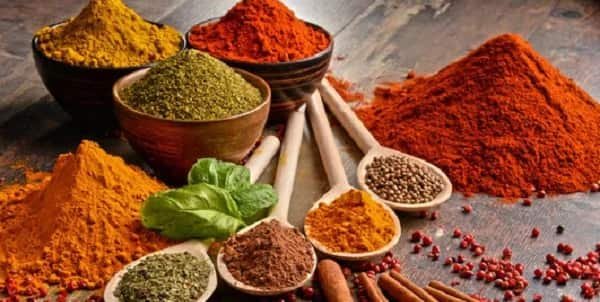
Cardamom is one of India’s most premium spices. A few small pods can change the flavour of tea, sweets, biryani, kheer, bakery items and Ayurvedic preparations. It is also one of those crops where quality matters as much as quantity. Colour, aroma, oil content, drying method and grading decide the final market value.
In India, cardamom is mainly grown in two forms — small cardamom and large cardamom. Small cardamom is mostly grown in the Western Ghats, while large cardamom is mainly grown in the Eastern Himalayan belt. For this 2026 list, the ranking is based on total cardamom production, including both small and large cardamom, using the latest 2025–26 estimates. The official spice estimate places small cardamom production at 24,715 tonnes and large cardamom production at 9,831 tonnes for 2025–26.
Now let’s check out the top 5 cardamom producing states in India in 2026.
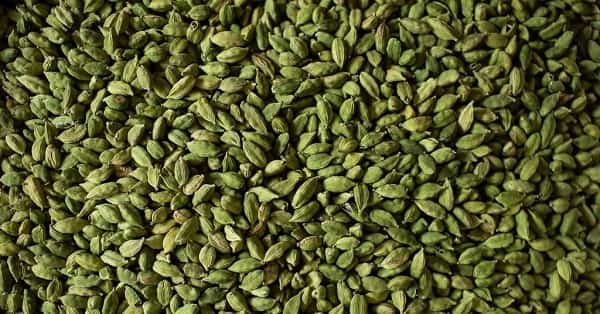
1. Kerala
Kerala is the largest cardamom producing state in India in 2026.
The state dominates India’s small cardamom production. In the 2025–26 estimate, Kerala’s small cardamom production is placed at around 22,105 tonnes, far ahead of every other state.
Kerala’s cardamom economy is mainly centred in the high-range region of Idukki. Areas such as Udumbanchola, Vandanmedu, Kumily, Kattappana, Nedumkandam and nearby hill belts are strongly linked with cardamom plantations. The cool, moist climate of the Western Ghats gives Kerala a natural advantage.
Cardamom here is not just a spice crop; it is a major plantation economy. Many farmers depend on it for income, and the crop supports labourers, traders, drying units, auction centres, exporters and spice processors. Vandanmedu is especially famous as one of India’s most important cardamom trading centres.
Kerala deserves the first position because it has the largest production, strongest market identity, experienced growers and a deep connection with India’s small cardamom trade.
2. Sikkim
Sikkim ranks second among India’s top cardamom producing states in 2026.
The state is the leader in large cardamom production. In the latest 2025–26 estimate, Sikkim’s large cardamom production is placed at around 5,580 tonnes, making it the biggest large-cardamom producer in India.
Large cardamom is well suited to Sikkim’s cool, moist and shaded hill conditions. It is grown in districts such as East Sikkim, West Sikkim, South Sikkim and North Sikkim. The crop is usually cultivated under forest shade and is closely connected with traditional mountain farming.
Sikkim’s cardamom is important because it provides income to hill farmers in areas where large-scale farming is difficult. The crop also fits well with organic and eco-friendly agriculture, which gives Sikkim a special identity.
Sikkim deserves the second position because it is the strongest state for large cardamom and has one of the most recognised cardamom-growing cultures in the Eastern Himalayas.
3. Arunachal Pradesh
Arunachal Pradesh stands third among India’s cardamom producing states.
The state is another important large-cardamom producer. In 2025–26, Arunachal Pradesh’s large cardamom production is estimated at around 1,923 tonnes, placing it after Sikkim in the large-cardamom category.
Cardamom cultivation in Arunachal Pradesh is mainly found in high-altitude and humid hill regions. Districts such as Lower Subansiri, Upper Subansiri, West Kameng, Tawang, Siang and nearby areas have suitable conditions for large cardamom farming.
The crop is useful for farmers because it can be grown in shaded conditions and does not always require large open fields. In many hill areas, cardamom is grown along with other crops and forest-based farming systems. This makes it important for tribal and rural livelihoods.
Arunachal Pradesh deserves third position because it has strong natural conditions, growing production and good future potential in large-cardamom farming.
4. Tamil Nadu
Tamil Nadu ranks fourth among India’s leading cardamom producing states in 2026.
The state is mainly known for small cardamom. In the 2025–26 estimate, Tamil Nadu produced around 1,661 tonnes of small cardamom, making it the second-largest small cardamom producer after Kerala.
Tamil Nadu’s cardamom cultivation is mainly concentrated in the Western Ghats, especially around the hill belts of Theni, Dindigul, Coimbatore and parts of the Nilgiris. The crop is grown in cool and shaded plantation areas where rainfall, altitude and soil conditions support spice farming.
The state’s advantage is its strong horticulture and plantation background. Farmers in the hill regions already grow spices, tea, coffee, fruits and vegetables, so cardamom fits naturally into the local farm economy. The produce also moves easily towards Kerala markets and spice-trading centres.
Tamil Nadu deserves fourth position because it has a meaningful small-cardamom base, suitable hill climate and experienced plantation farmers.
5. Nagaland
Nagaland completes the list of the top five cardamom producing states in India in 2026.
The state is an important producer of large cardamom. In 2025–26, Nagaland’s large cardamom production is estimated at around 1,202 tonnes, placing it among India’s top five total cardamom producers.
Large cardamom grows well in Nagaland’s hilly and humid climate. The crop is cultivated in selected districts where farmers depend on mixed farming, forest-based agriculture and high-value cash crops. It is useful because it gives better returns than many traditional crops when quality and market access are good.
Nagaland’s cardamom sector is still smaller than Sikkim’s, but it has strong future potential. Better planting material, disease control, drying methods, grading and direct market connections can help farmers get better prices.
Nagaland deserves the fifth position because it has suitable hill conditions, an existing large-cardamom base and scope for expansion in spice farming.
Final Words
The top five cardamom producing states in India in 2026 are Kerala, Sikkim, Arunachal Pradesh, Tamil Nadu and Nagaland. Kerala leads through small cardamom, while Sikkim remains the strongest name in large cardamom.
Cardamom will remain one of India’s most valuable spices if farmers get better disease control, climate support, drying facilities, grading systems and fair market prices.