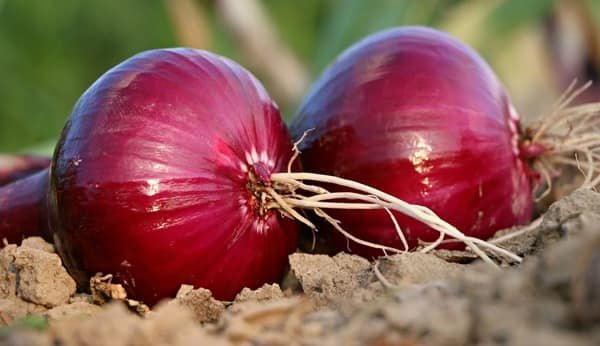
Vegetables are the daily engine of Indian food. They enter every kitchen in some form — potato in curry, onion in tadka, tomato in gravy, cauliflower in winter meals, brinjal in village markets, okra in summer plates and leafy greens in local diets. Behind this simple food basket stands a huge farming system of small growers, wholesale mandis, cold stores, transporters, food processors and retail vendors.
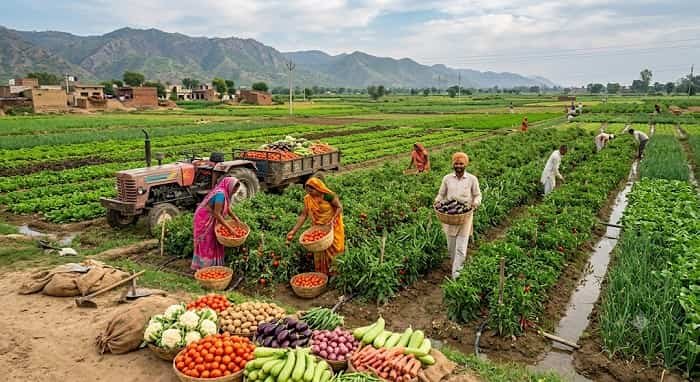
Vegetable farming is also different from many other crops. It gives farmers faster returns, but it is more sensitive to weather, water, pests, transport and price crashes. A bumper crop can reduce prices overnight, while heatwaves or heavy rain can disturb supply very quickly. That is why the biggest vegetable-producing states are important not only for farmers but also for household food prices across India.
For this 2026 list, the ranking is based on the latest available vegetable-production pattern, major growing belts, market strength and recent horticulture updates. India is already one of the world’s largest producers of vegetables, and states like West Bengal, Uttar Pradesh, Madhya Pradesh, Bihar and Gujarat form the backbone of this sector. India is counted among the world’s leading producers of vegetables and fruits, making this sector highly important for food security and rural income.
Now let’s check out the top 5 vegetable producing states in India in 2026.
1. West Bengal
West Bengal is the largest vegetable producing state in India in 2026.
The state has a very strong vegetable economy because of its fertile alluvial soil, high rainfall, dense rural farming system and huge local consumption. Vegetables are grown across many districts, and the crop has a direct link with daily food habits in Bengal. Potato, brinjal, cabbage, cauliflower, tomato, okra, pointed gourd and leafy vegetables are among the most important crops.
Major vegetable-growing regions include Hooghly, Nadia, Murshidabad, North 24 Parganas, South 24 Parganas, Purba Bardhaman, Paschim Medinipur and Bankura. The state is especially famous for potato, cauliflower, brinjal and cabbage production. Bengal’s strong vegetable base is also supported by active mandis and nearby large consumer markets.
West Bengal’s vegetable strength is not only in production but also in surplus supply. Recent state-level updates reported Bengal’s vegetable production at about 163 lakh metric tonnes annually, apart from a bumper potato crop of around 1.4 crore tonnes in 2024–25. This shows why the state remains one of India’s most important vegetable suppliers.
2. Uttar Pradesh
Uttar Pradesh ranks second among the highest vegetable producing states in India.
The state has a huge farming base and a very large domestic market. Because of its population size, fertile plains and wide irrigation network, Uttar Pradesh grows vegetables on a large scale across western, central and eastern districts. Potato, onion, tomato, peas, cauliflower, cabbage, brinjal, garlic and green chilli are widely cultivated.
Important vegetable-producing belts include Agra, Farrukhabad, Kannauj, Etawah, Mainpuri, Kanpur, Lucknow, Barabanki, Sitapur, Bareilly, Varanasi, Prayagraj and Gorakhpur regions. Western Uttar Pradesh is especially important for potato, while many central and eastern districts contribute fresh vegetables for local and regional markets.
Uttar Pradesh is important for readers because vegetable prices in many north Indian markets are affected by supply from this state. When potato, onion, tomato or garlic production is strong in UP, wholesale markets in Delhi, Lucknow, Kanpur and other cities often get better supply. The state’s agriculture sector remains one of India’s biggest, and fruits and vegetables form a major part of its crop value.
3. Madhya Pradesh
Madhya Pradesh stands third among India’s top vegetable producing states.
The state has become a major agricultural hub in central India. Its advantage is its large land area, improving irrigation, strong mandi network and location advantage. Vegetables from Madhya Pradesh move to markets in Maharashtra, Gujarat, Rajasthan, Uttar Pradesh, Delhi and southern India.
Major vegetable crops include potato, onion, tomato, green peas, garlic, chilli, brinjal, cauliflower and leafy vegetables. Important growing belts include Indore, Ujjain, Mandsaur, Neemuch, Shajapur, Ratlam, Jabalpur, Chhindwara, Sagar and Rewa regions. Malwa and Nimar belts are especially important for onion, garlic and other commercial vegetables.
Madhya Pradesh is useful for national supply because it connects north, west and south Indian markets. In recent market reports, vegetables such as peas, potatoes and other produce from Madhya Pradesh were seen reaching large wholesale markets outside the state, showing its growing role in India’s vegetable supply chain.
4. Bihar
Bihar holds the fourth position among India’s vegetable producing states in 2026.
The state has fertile Gangetic plains and a strong small-farmer vegetable culture. Vegetable farming is spread across many districts and gives farmers better cash income compared with some traditional crops. Bihar is especially known for potato, onion, brinjal, cauliflower, cabbage, okra and tomato.
Major vegetable-producing districts include Nalanda, Vaishali, Patna, Muzaffarpur, West Champaran, East Champaran, Begusarai, Katihar and Samastipur. Vaishali is well known for early cauliflower, while Nalanda and Patna belts have strong vegetable cultivation near urban markets.
Bihar is among India’s most important vegetable-growing states and is often listed among the top producers because of its fertile land and high cultivation intensity. The state accounts for a notable share of India’s vegetable production, with vegetable farming dominated by crops like potato, onion, brinjal and cauliflower.
5. Gujarat
Gujarat completes the list of the top five vegetable producing states in India in 2026.
The state is better known for cotton, groundnut and industrial growth, but its vegetable sector is also very strong. Gujarat grows vegetables in both irrigated and semi-arid regions, supported by good market connectivity, road networks, cold-chain expansion and active trading centres.
Important vegetable crops include okra, onion, potato, tomato, brinjal, chilli, cluster bean, cabbage and cauliflower. Major vegetable-growing belts include Banaskantha, Mehsana, Sabarkantha, Anand, Vadodara, Surat, Rajkot, Junagadh and Kutch-Saurashtra regions. Gujarat is especially strong in okra production and has a solid base in onion and potato too.
Gujarat’s place in the top five is supported by its share in India’s vegetable output. Recent horticulture updates reported that Gujarat contributed 7.66% to India’s total vegetable production in 2024–25, while the Saurashtra-Kutch region alone produced 47.91 lakh metric tonnes of vegetables during the same period.
Final Words
The top five vegetable producing states in India in 2026 are West Bengal, Uttar Pradesh, Madhya Pradesh, Bihar and Gujarat. These states keep India’s vegetable markets active through potato, onion, tomato, brinjal, cauliflower, okra and many other daily-use crops.