Poverty is not only about low income. It is also connected with education, health, jobs, landholding, migration, industrial growth, urbanisation, infrastructure and social opportunity. A state may have natural resources or a large population, but if income per person remains low, people still face pressure in daily life.
For this 2026 list, “poorest states” means states with the lowest per-capita NSDP/income, not total GDP. Total GDP can be high in a large state, but per-capita income shows how much economic output is available per person on average. The latest comparable state-wise per-capita NSDP pattern places Bihar, Uttar Pradesh and Jharkhand at the bottom, while Manipur, Chhattisgarh, Meghalaya, Madhya Pradesh, Assam, Odisha and Nagaland also remain in the lower-income group.
Now let’s check out the top 10 poorest states in India in 2026.
1. Bihar
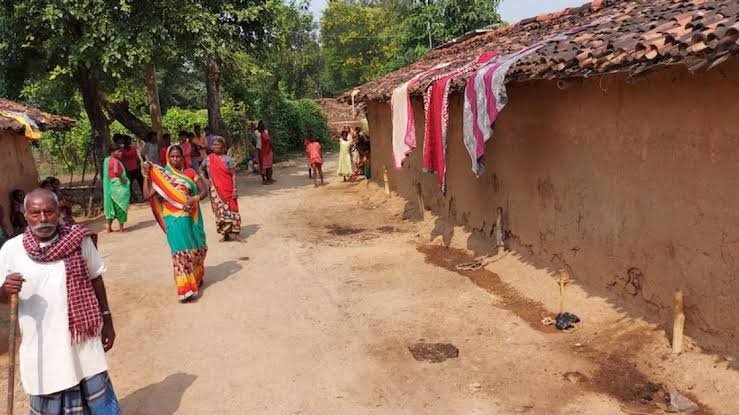
Bihar is the poorest state in India in 2026 by per-capita income.
The state’s per-capita NSDP remains the lowest among Indian states. In the latest comparable data, Bihar’s per-capita income was around ₹66,828 in 2023–24, far below the national average and much lower than industrialised states such as Maharashtra, Karnataka, Gujarat and Tamil Nadu.
Bihar’s poverty challenge is linked with high population density, low industrialisation, dependence on agriculture, migration, weak urbanisation and limited formal-sector jobs. Many people from Bihar move to Delhi, Punjab, Haryana, Maharashtra, Gujarat and southern states for work.
The state has fertile land and a young population, but income growth has not matched its population pressure. Agriculture supports a large number of people, yet landholdings are small and non-farm job creation is still limited.
Bihar’s future depends on better industries, quality education, skill training, urban development, women’s employment and stronger infrastructure. If these areas improve, Bihar can reduce poverty much faster.
2. Uttar Pradesh
Uttar Pradesh ranks second among the poorest states in India in 2026.
The state has one of India’s largest economies in total size, but because its population is extremely large, per-capita income remains low. Uttar Pradesh’s per-capita NSDP was around ₹107,468 in 2023–24, placing it just above Bihar among the lowest-income states.
This is why UP is a good example of the difference between total GDP and per-person income. The state has big cities like Lucknow, Kanpur, Noida, Ghaziabad, Varanasi and Agra, but many rural and backward districts still struggle with low income, unemployment and limited industrial growth.
Western UP and NCR-linked regions are more developed, while Bundelkhand, eastern UP and several rural districts need stronger investment. Agriculture, small trade and informal work still support a large part of the population.
Uttar Pradesh’s poverty reduction will depend on balanced development beyond Noida and Lucknow, stronger MSMEs, manufacturing corridors, better schools, healthcare and job creation in smaller towns.
3. Jharkhand
Jharkhand stands third among India’s poorest states in 2026.
The state has rich minerals, coal, forests, steel plants and mining belts, but per-capita income remains low compared with many other states. Jharkhand’s per-capita NSDP was around ₹115,960 in 2023–24, keeping it in the bottom group nationally.
This contrast makes Jharkhand very important to understand. It is rich in resources but still faces human-development challenges. Mining and industry generate revenue, but large parts of the population live in rural, tribal and forest regions where income opportunities are limited.
Districts like Ranchi, Jamshedpur, Dhanbad and Bokaro have stronger industrial and service activity, but many tribal and interior districts still need better roads, schools, hospitals and employment options.
Jharkhand’s Economic Survey 2025–26 projected that per-capita income crossed ₹1 lakh, showing improvement, but the state still needs wider development so that mineral wealth reaches ordinary households more effectively.
4. Manipur
Manipur ranks fourth among the poorest states in India by per-capita income.
The state’s per-capita NSDP was around ₹125,937 in 2023–24, placing it among the lower-income states. Manipur has a small population and strong cultural identity, but economic development has been affected by difficult terrain, limited industry, weak connectivity and social instability.
Agriculture, handloom, handicrafts, small trade and government services are important parts of the economy. Imphal is the main urban centre, while many hill and valley areas depend on traditional livelihoods.
Manipur has potential in tourism, sports, organic farming, bamboo, handloom and border trade. But for poverty reduction, the state needs peace, better roads, investment, education and private-sector job creation.
Because of its strategic location near Myanmar, Manipur can become a stronger gateway for India’s Act East policy, but this depends on stability and infrastructure.
5. Chhattisgarh
Chhattisgarh is fifth among India’s poorest states in 2026.
The state’s per-capita NSDP was around ₹148,922 in 2023–24, keeping it in the lower-income group. Chhattisgarh has coal, iron ore, steel, power plants and forests, but many rural and tribal regions still face poverty and development gaps.
The state is known as the “Rice Bowl of Central India,” and agriculture supports a large rural population. At the same time, mining and heavy industry are concentrated in selected belts such as Raipur, Durg, Bhilai, Korba, Raigarh and Bastar region.
Chhattisgarh’s main challenge is uneven development. Industrial districts have better opportunities, while forest and tribal districts need stronger education, healthcare, roads and livelihood support.
The state has strong natural wealth, but poverty reduction depends on how well mining revenue, agriculture support, tribal welfare and local employment are connected.
6. Meghalaya
Meghalaya ranks sixth among the poorest states in India by income.
The state’s per-capita NSDP was around ₹156,326 in 2023–24, placing it just above Chhattisgarh in the lower-income group. Meghalaya’s economy is shaped by hills, forests, small farming, mining, tourism and community-based land systems.
The state has natural beauty and strong tourism potential, especially in Shillong, Cherrapunji, Dawki, Mawlynnong and Garo Hills. But its economy is still limited by poor connectivity in many areas, small markets and lack of large industries.
Agriculture and horticulture are important, with crops like orange, pineapple, betel nut, broom grass, ginger and turmeric. However, many farmers still depend on small-scale production and local markets.
Meghalaya needs better road connectivity, tourism infrastructure, food processing, education and sustainable livelihood options to raise income levels.
7. Madhya Pradesh
Madhya Pradesh stands seventh among the poorest states in India in 2026.
The state’s per-capita NSDP was around ₹156,381 in 2023–24, almost similar to Meghalaya. Madhya Pradesh is large in area and population, and it has strong agriculture, minerals, forests and growing industries, but per-person income remains below many developed states.
The state is a leader in wheat, soybean, pulses and several agricultural crops. It also has mineral resources and industrial centres like Indore, Bhopal, Pithampur, Jabalpur and Gwalior. Still, a large rural population depends on agriculture and informal work.
The biggest challenge for Madhya Pradesh is balanced development. Some cities are growing fast, but tribal, forest and backward districts need stronger job creation and human-development support.
Better agro-processing, manufacturing, education, irrigation, skill development and urban growth can help the state move out of the low-income category.
8. Assam
Assam ranks eighth among India’s poorest states in 2026.
The state’s per-capita NSDP was around ₹158,807 in 2023–24, placing it among the lower-income states. Assam is the largest economy in the North East, but its income levels are still below the national average.
The state has tea, oil, natural gas, agriculture, tourism, handloom and river-based trade potential. Guwahati is a major urban centre, while Dibrugarh, Jorhat, Silchar, Tinsukia and Tezpur are important towns.
Assam’s poverty challenge is connected with floods, erosion, rural dependence, tea-garden labour conditions, limited industrialisation and scattered settlements. Floods damage crops, roads and houses almost every year, making development difficult in many districts.
The state can improve faster through flood control, agro-processing, tea-sector reforms, tourism, oil and gas-linked industry, education and better connectivity with the rest of the North East.
9. Odisha
Odisha ranks ninth among the poorest states in India by per-capita income.
Odisha’s per-capita NSDP was around ₹179,363 in 2023–24, keeping it in the lower-income group, though the state has improved significantly in recent years. Odisha is rich in minerals, ports, forests, tourism and agriculture, but income distribution remains uneven.
The state has strong industrial belts in Bhubaneswar, Cuttack, Rourkela, Angul, Jharsuguda, Jajpur and Paradip. Steel, aluminium, coal and port-based industries have helped the economy grow.
However, many western, southern and tribal districts still face poverty, migration, weak infrastructure and limited access to quality services. Agriculture, forest produce and informal work remain important for many households.
Odisha has done well in fiscal management and was ranked highly in NITI Aayog’s Fiscal Health Index 2026, but poverty reduction depends on converting strong state finances into better local jobs, education and health outcomes.
10. Nagaland
Nagaland completes the list of the top 10 poorest states in India in 2026.
The state’s per-capita NSDP was around ₹179,379 in 2023–24, very close to Odisha’s level. Nagaland has a small population and strong community life, but its economy is limited by difficult terrain, weak industrial base and dependence on government services.
Agriculture, horticulture, handloom, handicrafts, tourism and small trade support the economy. Kohima and Dimapur are the main urban centres, with Dimapur acting as the state’s commercial gateway.
Nagaland has strong potential in organic produce, bamboo, tourism, music, culture and border trade. But growth needs better roads, investment, market access and private-sector employment.
The state’s poverty challenge is not only about income. It is also about creating stable opportunities for young people so that they do not depend only on government jobs or migration.
Final Words
The top 10 poorest states in India in 2026 are Bihar, Uttar Pradesh, Jharkhand, Manipur, Chhattisgarh, Meghalaya, Madhya Pradesh, Assam, Odisha and Nagaland. This ranking is based mainly on low per-capita income, not total state GDP.
These states have strong potential through agriculture, minerals, tourism, youth population and regional trade. Their future growth will depend on jobs, education, health, infrastructure, industries and better use of local resources.